

| 🌱 Jack Bean Quick Facts | |
|---|---|
| Scientific name | Canavalia ensiformis |
| Plant type | Fast-growing annual or short-lived perennial legume |
| Growth habit | Twining/climbing vine, up to 2 m long |
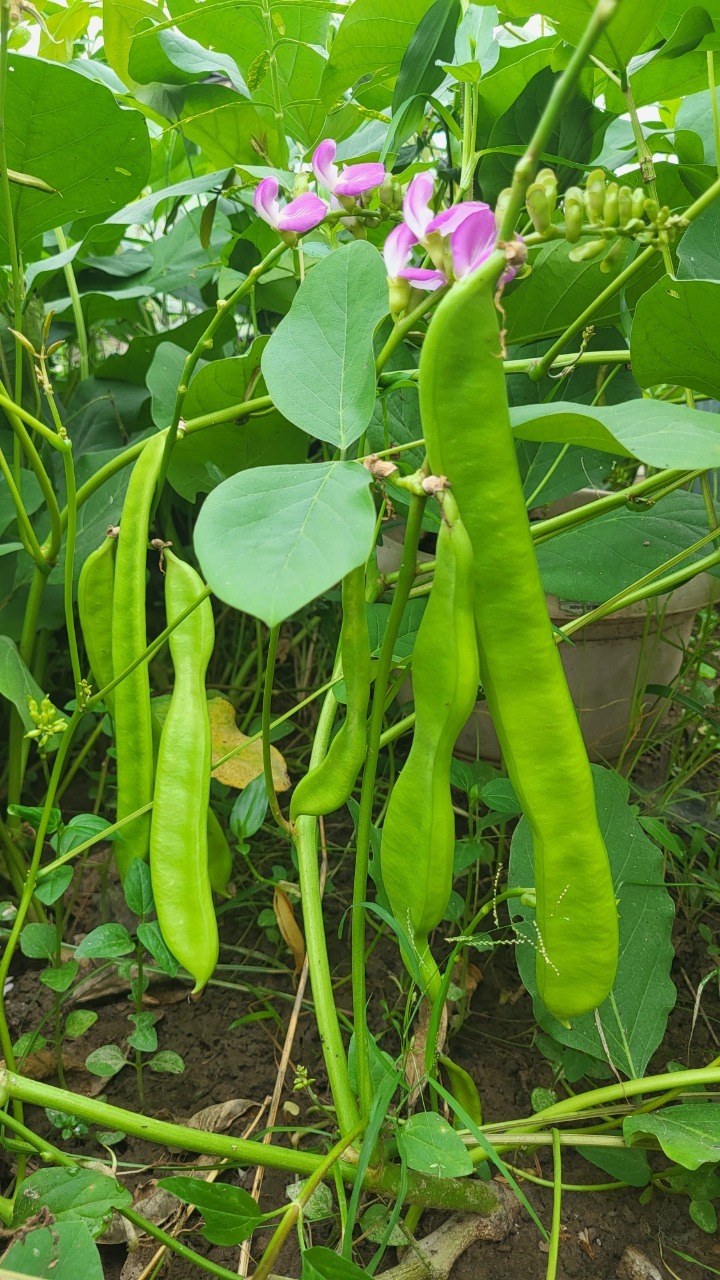
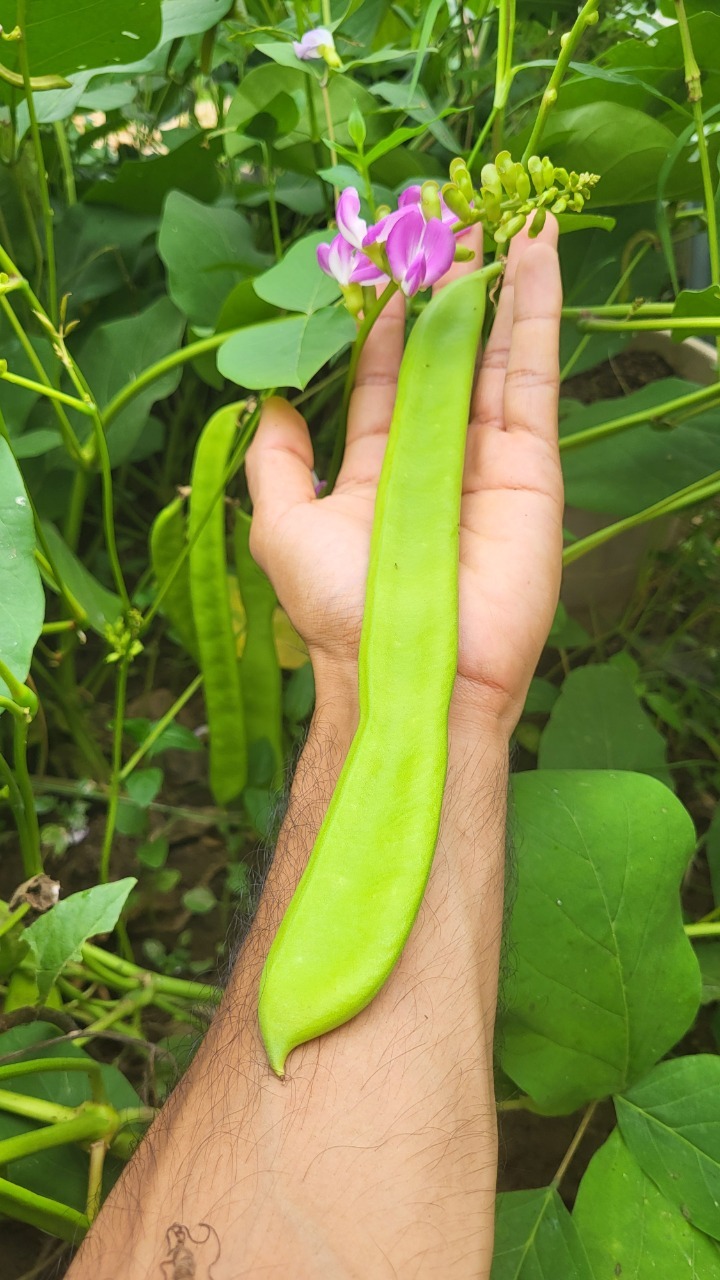
| Flowers | Showy pink to purple blooms |
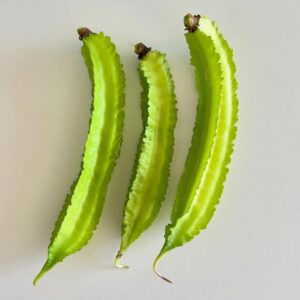
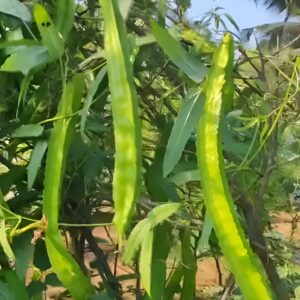
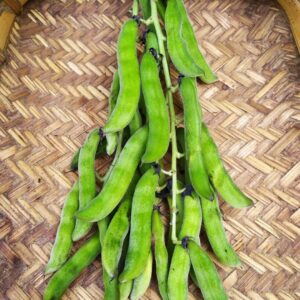
| Pods | 20–36 cm long, straight, thick-walled |
| Seeds | Large, white to cream-colored, kidney-shaped |
| Soil needs | Adaptable, thrives in poor or sandy soils |
| Sunlight | Full sun for best growth |
| Sowing depth | 2–3 cm deep, directly in warm soil |
| Spacing | 30–60 cm apart; give vines support to climb |
| Edible uses | Young pods eaten like green beans; mature seeds must be well cooked before eating |
| Other uses | Excellent green manure, nitrogen fixer, fodder, and soil restorer |
Jack Bean
₹90.00
Meet the jack bean (Canavalia ensiformis), a tough, vining legume that can reach 1–2 meters in length. It produces pink to purple flowers and handles dry conditions well once established, thanks to its deep root system. Gardeners often grow it as a green manure for improving soil fertility.
The pods resemble those of sword beans in shape, though jack beans tend to be bushier and bear distinctive white seeds. The pods can be eaten while still young and tender, similar to green beans. Mature seeds are also edible but must be thoroughly boiled or roasted before use to remove natural compounds.
Packet contains 12 seeds.

Reviews
There are no reviews yet.